Tips for Choosing Fishing Supply Stores
A Complete Fish Catching Gear Handbook: From Fishing Tackle to Clothing
The Ultimate Fishing Gear Guide delivers a in-depth summary of crucial supplies for anglers. It explores the importance of choosing suitable rods, reels, and tackle tailored to specific fishing styles. Additionally, the guide emphasizes the significance of upkeeping gear and the potential benefits of improving. Comprehending these factors can greatly impact the fishing experience. Anglers may find themselves wondering about whether their current gear collection truly satisfies their demands as they discover what awaits.
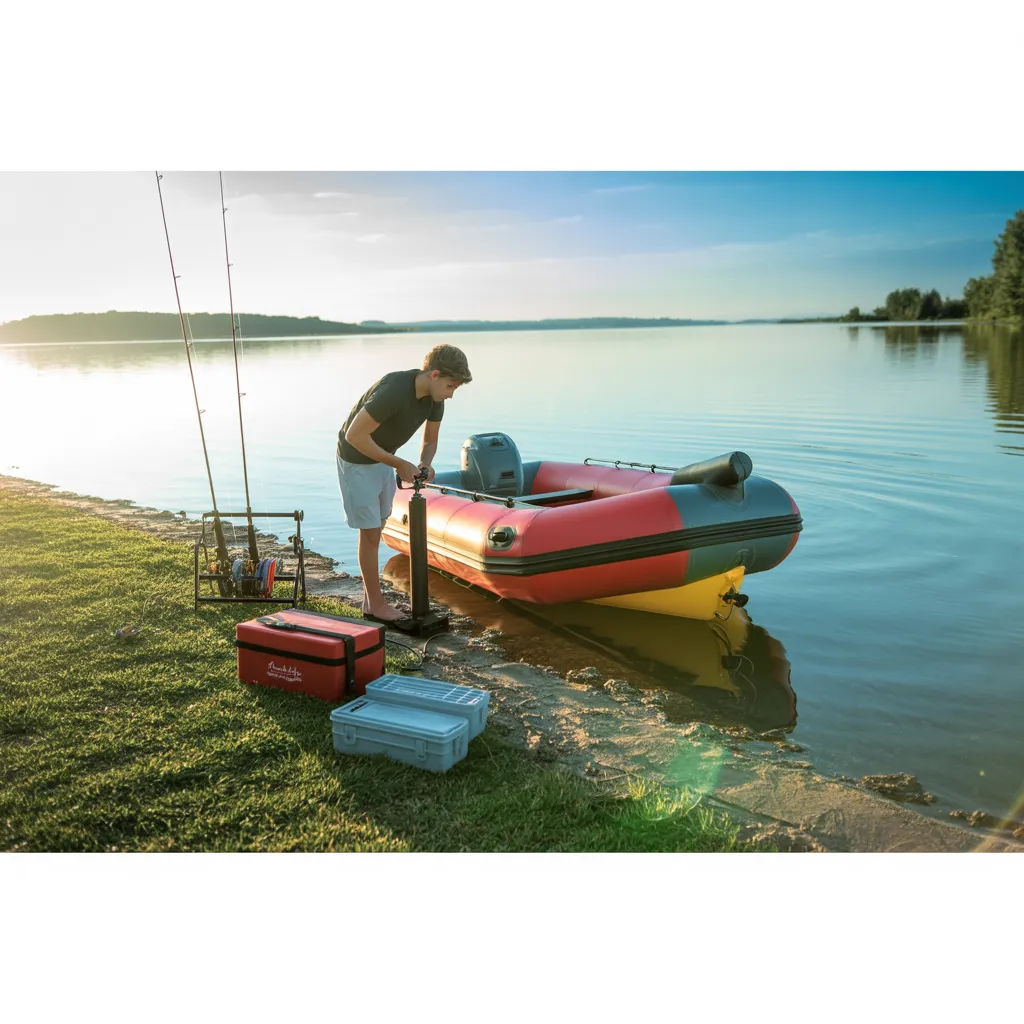
The Important Fishing Tackle: What You Require to Get Started
When initiating a fishing journey, knowing the key tackle can greatly boost the overall trip. A complete selection of fishing tackle is necessary for catching fish. First and foremost, anglers need fishing line, which is the link between the rod and the catch. Choosing the appropriate type and strength based on the target species is vital. Additionally, hooks come in several sizes and shapes, each designed for specific bait and fish types.
Baits, be they live or synthetic, play a major role in drawing in fish. Weights or sinkers help to keep the bait in the correct location within the water. Also, bobbers or floats provide a visual cue when fish bite. Lastly, tackle boxes are indispensable for organizing and storing equipment with efficiency. Equipped with this basic tackle, anglers can embark on their fishing adventures confidently, knowing they have the necessary tools to boost their chances of success.
Selecting the Ideal Fishing Rod: Varieties and Guidance
Finding the ideal fishing rod is a fundamental decision that can significantly influence an angler's whole experience. Various types of rods serve different fishing styles and circumstances. Spinning rods, ideal for fresh anglers, offer versatility and user-friendliness, while baitcasting rods deliver precision for experienced anglers aiming at substantial aquatic life. Specialty rods, designed for fly fishing, are specialized for casting featherweight lures proficiently.
Rod length and action are also vital elements. Longer rods improve casting distance, making them ideal for open waters, whereas shorter rods provide better control in tight spaces. The rod's action—slow, medium, or fast—determines its responsiveness and sensitivity, affecting the angler's ability to detect bites.
The material is important too; graphite rods are light and responsive, whereas fiberglass rods deliver durability. By assessing these considerations, anglers can pick a rod that suits their fishing preferences and boosts their overall enjoyment on the water.
Picking the Perfect Fishing Reel for Your Style
How can one select the ideal fishing reel to complement their style? Picking a fishing reel requires considering various elements that align with personal tastes and fishing techniques. First, anglers should identify the type of fishing they wish to pursue, whether it's freshwater or saltwater, as this significantly impacts the reel's durability and design.
Next, the decision between spinning reels and baitcast reels can reflect an fisher's expertise and angling approach. Spin reels are typically easy to use, ideal for beginners, while baitcast reels offer accuracy for experienced fishers.
Line capacity and gear ratio are also important; higher gear ratios offer faster retrieves, ideal for active fishing. Finally, assessing the reel's balance and weight with the selected rod can improve overall convenience during extended time on the water. By assessing these factors, anglers can successfully pick a reel that improves their fishing experience.
Quality Equipment for Hassle-free Fishing Activities
An experienced angler recognizes that suitable accessories can markedly boost your angling adventure. Vital equipment including storage units and bait containers ensure equipment properly arranged and readily within reach. A dependable fishing net proves essential for safely netting fish, and a strong measuring tape ensures compliance with regulations.
Moreover, a reliable multi-tool can facilitate with varied tasks, from separating line to substituting hooks. Anglers also enjoy a camping chair or portable cooler, granting comfort and convenience during extended fishing adventures.
For anglers traveling through different conditions, a waterproof dry bag protects vital supplies from the environment. Finally, a good pair of polarized sunglasses cuts down on glare on the water, increasing visibility and helping you spot fish. Together, these tools contribute to a more rewarding and streamlined fishing experience, letting anglers to focus on what truly matters: the excitement of the catch.
Fishing Apparel Matter: Relaxation and Security
Fishing apparel is fundamental to enhancing the overall journey on the water. Proper clothing provides vital shelter against unpredictable weather conditions, while also securing comfort during long trips. Additionally, thoughtfully designed gear supports for better mobility and flexibility, making it more feasible for anglers to navigate their surroundings.
Weather Protection Advantages
Safeguarding oneself from the elements is essential for a enjoyable fishing experience. Weather conditions can change dramatically, thus specialized fishing apparel is necessary. Waterproof jackets and breathable fabrics shield anglers from rain and wind, ensuring they stay dry and comfortable. UV-protective clothing provides defense against harmful sun exposure, lessening the risk of skin damage during long hours outdoors. Also, insulated layers offer warmth in cooler temperatures, preventing discomfort that could shorten a fishing trip. Hats and gloves further increase protection from sun and cold, enabling longer time on the water. Ultimately, investing in quality fishing apparel not only safeguards the body but also enhances focus and enjoyment, turning every fishing trip into a more successful and enjoyable endeavor.
Convenience During Long Journeys
What ways can the ideal fishing apparel transform long angling trips into enjoyable experiences? Choosing appropriate fishing clothes significantly enhances comfort by managing temperature and moisture. Light breathable fabrics remove sweat, preventing discomfort during warm days, whereas insulated layers provide warmth during cooler times. Furthermore, fishing apparel designed for fishing commonly includes UV protection to shield skin from harmful rays, along with waterproof fabrics that keep anglers dry in variable weather.
Comfort is additionally improved by ergonomic designs that accommodate prolonged wear, minimizing fatigue. When anglers are at ease in their clothing, they can focus on the experience, enhancing concentration and enjoyment. Ultimately, purchasing quality fishing apparel is essential for maximizing the comfort and satisfaction of long fishing excursions.
Improved Agility and Versatility
Comfortable apparel not only improves long fishing trips but also operates as supporting flexibility and movement. Well-designed angling garments, including airy, elastic fibers, allows anglers to operate with ease, whether casting lines or securing catches. Features like contoured stitching and modifiable fits substantially elevate ease of movement, decreasing limitations during varied physical tasks. Additionally, heat-regulating fibers help regulate body temperature, thwarting discomfort from humidity and perspiration. The right footwear is equally vital; friction-enhanced, supportive footwear provide purchase on slippery surfaces, enhancing overall agility. Ultimately, dedicating resources in dynamic and purposeful fishing wear can greatly improve performance, allowing anglers to focus on the fishing engagement rather than their discomfort. Therefore, superior movement capability and pliability are crucial components of capable fishing equipment.
Maintaining Your Fishing Equipment for Longevity
Caring for fishing gear is important for start now maintaining its lifespan and performance. Routine cleaning helps eliminate dirt and salt buildup, while correct storage practices shield equipment from damage. Combined, these tactics produce a more enjoyable and successful fishing experience.
Everyday Cleaning Habits
Maintaining regular cleaning routines is crucial for extending the useful life of fishing gear. After each outing, anglers should rinse rods, reels, and tackle with fresh water to wash away salt, dirt, and debris. This basic step effectively prevents rusting and wear. When servicing reels, disassembling and cleaning components with a gentle brush guarantees that dirt does not obstruct functionality. Moreover, examining lines for frays and replacing them as needed enhances performance. Rod guides must be checked for damage and cleaned to copyright smooth line movement. Finally, frequent wiping of surfaces with a soft cloth not only maintains gear appearance but also helps detect potential issues early, protecting optimal functionality for future fishing adventures.
Correct Preservation Practices
Effective keeping methods are essential for ensuring the durability of fishing gear. Correct organization prevents damage and wear. Rods need to be kept vertically or placed in rod holders to stop bending or breaking. Before placing reels in a protective case, they should be cleaned and lubricated to protect them from dust and moisture. Tackle boxes belong in cool, dry spots, with lures and hooks arranged to avoid rust and tangles. Additionally, fishing lines should be stored in spools, away from direct sunlight, to prevent weakening. Using breathable storage bags for apparel helps protect fabric integrity. Employing these storage techniques allows anglers to significantly lengthen their equipment's lifespan, leading to many productive fishing trips.
When and Why to Upgrade Your Fishing Gear?
When should one choose to buy advanced fishing gear? Fishermen ought to consider upgrading their gear upon observing a decline in effectiveness or when certain requirements arise. When a fisherman often catches larger fish, it is important to enhance the rod and reel quality. Furthermore, improving technology, such as enhanced line sensitivity or lighter materials, can greatly boost the fishing experience.
A vital factor is the occurrence rate of fishing trips. Enthusiastic fishers might see value in buying premium equipment that provides resilience and consistency through time. Seasonal changes can also prompt improvements; as an example, shifting from freshwater to saltwater fishing often necessitates alternative tools. In addition, skill development can encourage the need for highly specialized tools. Ultimately, improving gear bolsters superior outcomes, raises success rates, and increases overall pleasure, making it a valuable consideration for dedicated anglers.
Frequently Requested Questions
Which Fishing Spots Are Best for Inexperienced Fishers?
Novice anglers often find success at local lakes, calm rivers, or ponds. These locations typically offer accessible shorelines and abundant fish, making them perfect for learning casting techniques and developing confidence in their fishing abilities.
What Role Do Weather Conditions Have in Fishing Success?
Weather conditions substantially shape fishing success. Overcast days often improve fish activity, while high temperatures can lead to decreased feeding. Wind can help or hinder, affecting bait visibility and fish behavior, ultimately impacting catch rates.
What Authorizations or Permits Do I Have to Get to Engage in Fishing?
Getting a fishing license or permit is typically required to fish legally, and requirements vary by location. Fishing rules may include extra licenses for certain species or particular areas, emphasizing why checking regional regulations is essential before you depart.
Are There Fishing Gear Lease Options Available?
Yes, various fishing equipment rental selections are available, including local shops, guided tours, and online services. These leases commonly provide rods, reels, tackle, and other requirements, serving both beginners and experienced anglers seeking ease.
How Can I Safely Release Fish After Catching?
To securely free fish, wet hands before touching, reduce air exposure, and remove hooks carefully. If deeply hooked, cut the line. Cradle the fish in water until it departs, ensuring a successful return.